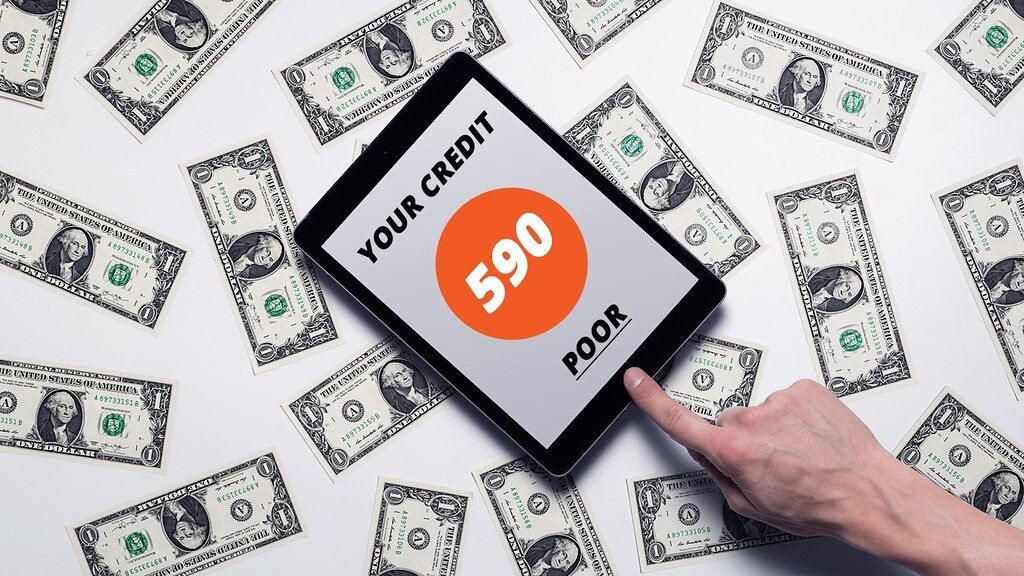
Building a credit score while studying in the USA is one of the smartest financial moves you can make. A good credit score helps you get approved for loans, rent apartments, qualify for credit cards, and even secure better job opportunities.
This in-depth, SEO-friendly guide explains how students can build and improve their credit score in 2026 with practical, beginner-friendly strategies.
What Is a Credit Score?
A credit score is a number that represents your creditworthiness—how likely you are to repay borrowed money.
In the USA, credit scores typically range from:
- 300 to 850
Credit Score Ranges:
- 300–579 → Poor
- 580–669 → Fair
- 670–739 → Good
- 740–799 → Very Good
- 800+ → Excellent
Why Credit Score Matters for Students
Even as a student, your credit score affects:
- Loan approvals (student, personal, auto)
- Credit card eligibility
- Rental applications
- Interest rates
- Insurance premiums
Starting early gives you a major financial advantage.
How Credit Score Is Calculated
Your credit score is based on several factors:
Payment History (35%)
Paying bills on time is the most important factor.
Credit Utilization (30%)
How much of your available credit you use.
Length of Credit History (15%)
How long your credit accounts have been active.
Credit Mix (10%)
Types of credit (cards, loans, etc.).
New Credit (10%)
Recent credit inquiries and accounts.
Step-by-Step Guide to Build Credit as a Student
Step 1: Get a Student Credit Card
Student credit cards are designed for beginners.
Features:
- Low credit limits
- Easier approval
- Helps build credit history
Use it for small expenses and pay the full balance every month.
Step 2: Use a Secured Credit Card (If Needed)
If you don’t qualify for a regular card:
- Deposit money as collateral
- Get a credit limit based on your deposit
This is one of the easiest ways to start building credit.
Step 3: Always Pay Bills on Time
Payment history has the biggest impact on your score.
Tips:
- Set reminders
- Enable auto-pay
Even one missed payment can hurt your score.
Step 4: Keep Credit Utilization Low
Maintain your usage below 30%.
Credit\ Utilization = \frac{Used\ Credit}{Total\ Credit\ Limit} \times 100
Example:
- Limit: $1,000
- Spend: $300 or less
Lower utilization improves your score.
Step 5: Become an Authorized User
Ask a family member to add you to their credit card.
Benefits:
- Build credit history quickly
- Improve score with their positive history
Step 6: Use Credit Builder Loans
These loans are designed to build credit.
Popular options:
- Self
- Credit Strong
You make small payments, and they are reported to credit bureaus.
Step 7: Monitor Your Credit Report
Check your credit regularly to:
- Track progress
- Identify errors
- Prevent fraud
You can monitor reports from:
- Experian
- Equifax
- TransUnion
Step 8: Limit New Credit Applications
Applying for multiple credit cards or loans can:
- Lower your score
- Signal risk to lenders
Apply only when necessary.
Tips to Build Credit Faster
- Use your credit card monthly
- Pay full balance, not just minimum
- Keep old accounts open
- Mix different types of credit over time
- Stay consistent
Common Mistakes to Avoid
- Missing payments
- Maxing out credit cards
- Closing old accounts
- Applying for too many cards
- Ignoring your credit report
How Long Does It Take to Build Credit?
- 3–6 months → Initial score
- 6–12 months → Noticeable improvement
- 1–2 years → Strong credit profile
Consistency is key.
Credit Score Goals for Students
- Short-term: 650+
- Medium-term: 700+
- Long-term: 750+
Higher scores unlock better financial opportunities.
Credit Building for International Students
International students can:
- Use secured credit cards
- Apply with a co-signer
- Use alternative credit services
Focus on building a credit history from scratch.
Benefits of a Good Credit Score
- Lower interest rates
- Higher credit limits
- Easier loan approvals
- Better rental options
Final Thoughts
Building a credit score while studying in the USA in 2026 is one of the most valuable financial habits you can develop. By using credit responsibly, paying bills on time, and keeping utilization low, you can build a strong credit profile even as a student.
Start early, stay disciplined, and your future financial opportunities will expand significantly.
FAQs
Can students build credit without income?
Yes, through secured cards or authorized user accounts.
What is the easiest way to build credit?
Using a student credit card and paying on time.
How fast can I improve my credit score?
You can see improvements within 3–6 months.
Is a secured card good for beginners?
Yes, it’s one of the safest ways to build credit.
If you want, I can also create a step-by-step credit-building roadmap or a comparison of the best student credit cards in the USA.